| Availability: | |
|---|---|
| Quantity: | |
CW-AR-8T
CO-WIN
| CW-AR-8T | 8 Ton Hydraulic C-Frame Clinching Machine | |
| 压力调节 Force Range Adjustable | (1 kN)to(8 kN) |
| 喉深 Throat Depth | 500mm |
| 喉高 Open Height | 365mm |
| 精度 Repeatability | +/- 2% of force setting |
总行程 Total Stroke | 100mm |
动力行程 Power Stroke | 12mm |
电源 Power supply | 220V/50W |
| 铆接范围 Clinching Capability | 1mm to 6mm combined thickness |
润滑油 Oil | 46#液压油 46# hydraulic oil |
机器尺寸 Machine size | L1040*W650*H2100(mm) |
重量 Weight | 500KG |

Rivetless riveting machine is a device formechanically joining sheet metal or other materialstogether by plastic deformation and the material's ownmechanical locking to form a tight connection. Thisequipment is mainly used to connect metal materialsquickly and firmly, and is suitable for air ducts,automobile manufacturing, home appliances andmetal processing industries.
The role of rivetless riveting machine:
The materials such as metal sheets and thin-walledtubes are mechanically connected closely together toform a high-strength joint. Compared with traditionalriveting and welding methods, rivetless riveting has afaster operating speed, reducing production time andimproving production efficiency. Rivetless riveting canbe formed through local plastic deformation, highstrength and not easy to loosen the connectionstructure, suitable for high-strength needs of productsand scenes.

The riveting machine applies downward pressure on the sheet metal to bejoined by means of a hydraulic or pneumatic system that presses the punchdownward on the sheet metal to be joined
Plastic deformation of materials
Under pressure, the metal material undergoes localized plastic deformation,softens and is extruded to a predetermined shape under the guidance of thedie. During the riveting process, the mold restricts and guides the sheetmetal, causing the material to crimp and snap inward or outward.
Forming a mechanical lock
As further pressure is applied by the punch, the metal material is extrudedand deformed under the action of the mold, ultimately forming
a strongmechanical locking point that is strong and durable enough to
join the metalplates.
Punch And Die
Role: This ls The Core Part Of The Rvetes Rveting Process. The Punch And Die Change The Shapo Of The Metal Plato By Apying Pressure To Fomm A Mechanical Looking Point(Die The De e Loctled A The Rotom Or Side Of The Malera And Uad To Cuds Ard Lint The Deleralien Of The Sree Mlal To Enaure Ta A Ryrled Jont Formed Thel Met TheDesign Requirements. The Design Of The Die Affects The Shape, Size And Strength Of The Riveted Joint.Customization: Punch And Die Can Be Customized To Meet Diferent Rveting Needs, Such As Dealing With Different Metal Materials Or Plate Thicknesses.

Hydraulic Or Pneumatic System:
Provides Power To The Equipment Used To Drive The Punch To Apply The Necessary Pressure For Riveting.
Characteristics:
Tydraulic Syetnm: Uualy Ueed Where Greater Presure Is Requted.The Hydraulic yetmts Capatble Of Providing A Stady And Large Amount Of Presure And s Suttle For Working Wtn Thcker Or Harder Metal Materials.
Pnumatc Systens:Sultatble For Lghter Workpieces,Faster Operation And Lower Matenance Cost.Preumatc Syetems Have The Adrvantage Of Being Simpler To Operate, Bu The Presaur Outout Is Usually Lower Than That Of Hydraulic Systems
Control Accuracy: Modem Hydraulic Or Pneumatic Systems Have High Pressure Control Acuracy To Ensure Consistent Quality Of Riveting Every Time.

Control System
Role Rerponstble:For The Overal Opration Of The Equipment Automated Control And Proces Monitoring, Modern Rweltes Rveing Machines Are sualy Eguped we(Cn) Or Pe Contoler.
Features:dtomation Contrat Can Be Proganned To Conital The Various Steps Of The Rveling Proces Including Pressue,sped And Poslton Of The Preciae Contiol, To Enaure The Conailency Of The Quality Of Riveting.

Touchscreen control interface
Bilingual Interface: Supports flexible switching betweenChinese and English for operator convenience.
Operation Mode Management: Allows one-touchselection between riveting and clinching modes withdedicated parameter sets.
Safety Function Control: Centralized switching forsafety devices like infrared light curtains and anti-pinchhands protection.
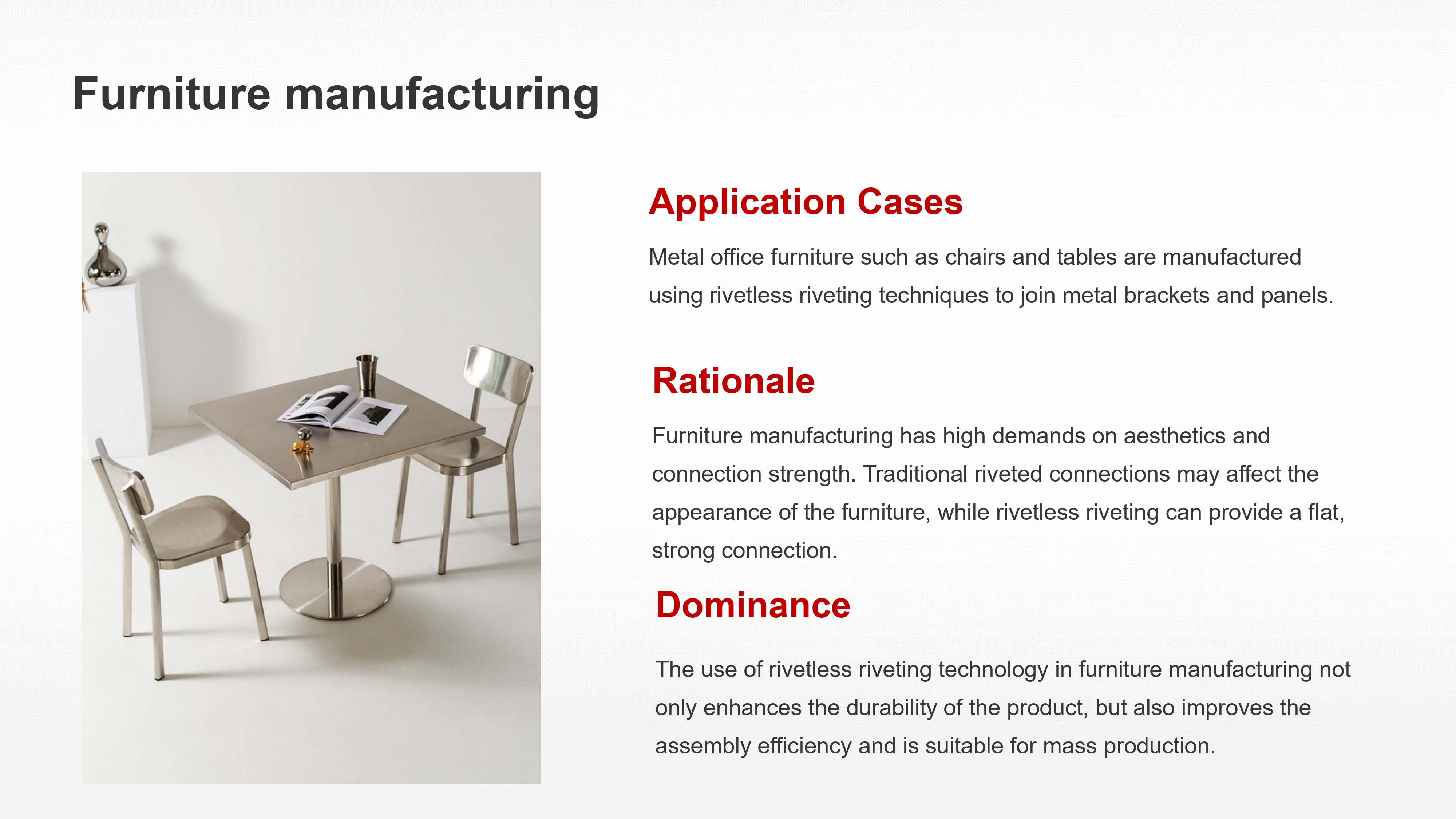
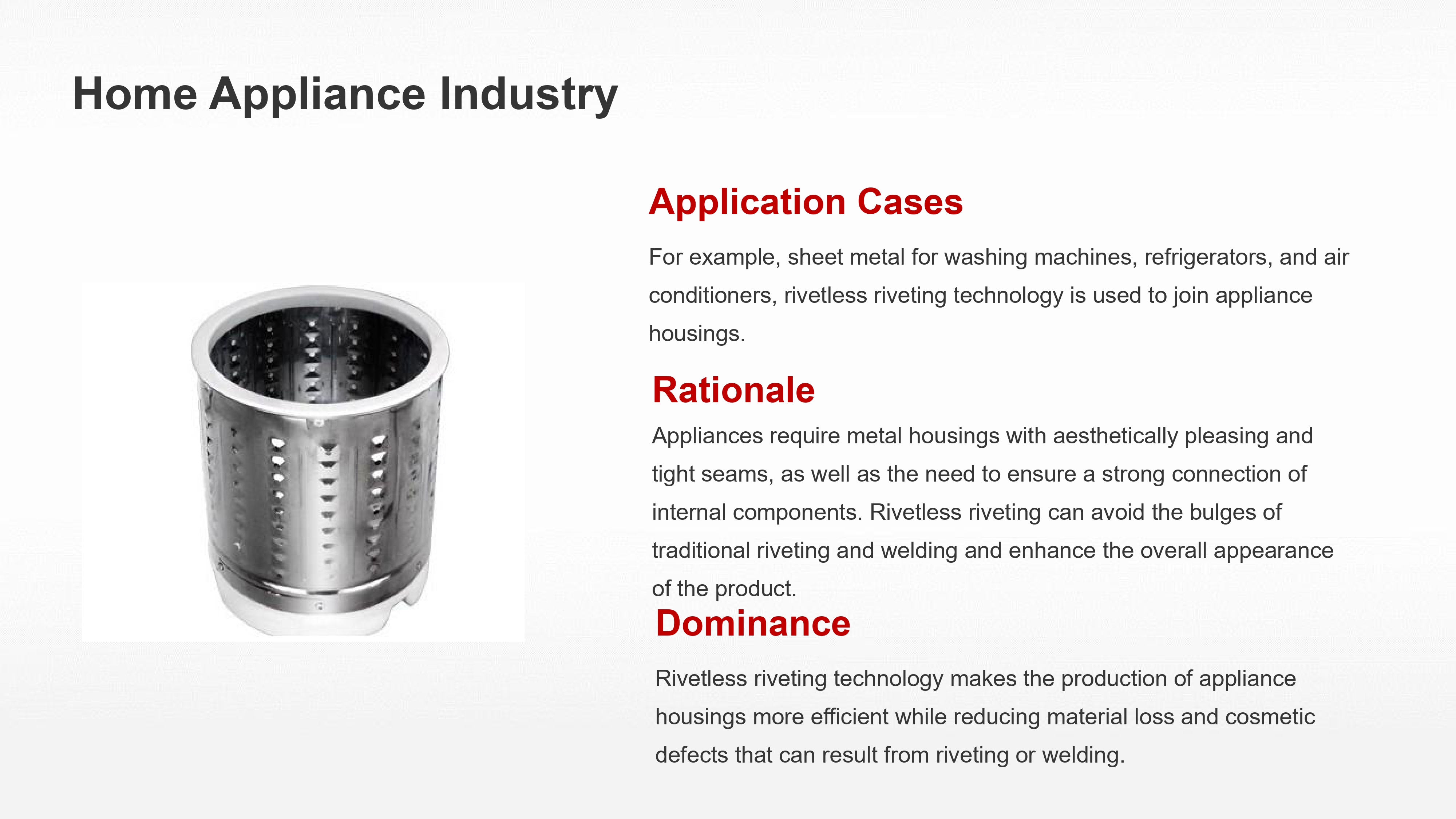
Main Uses & Application Industries


Packaging & Shipping
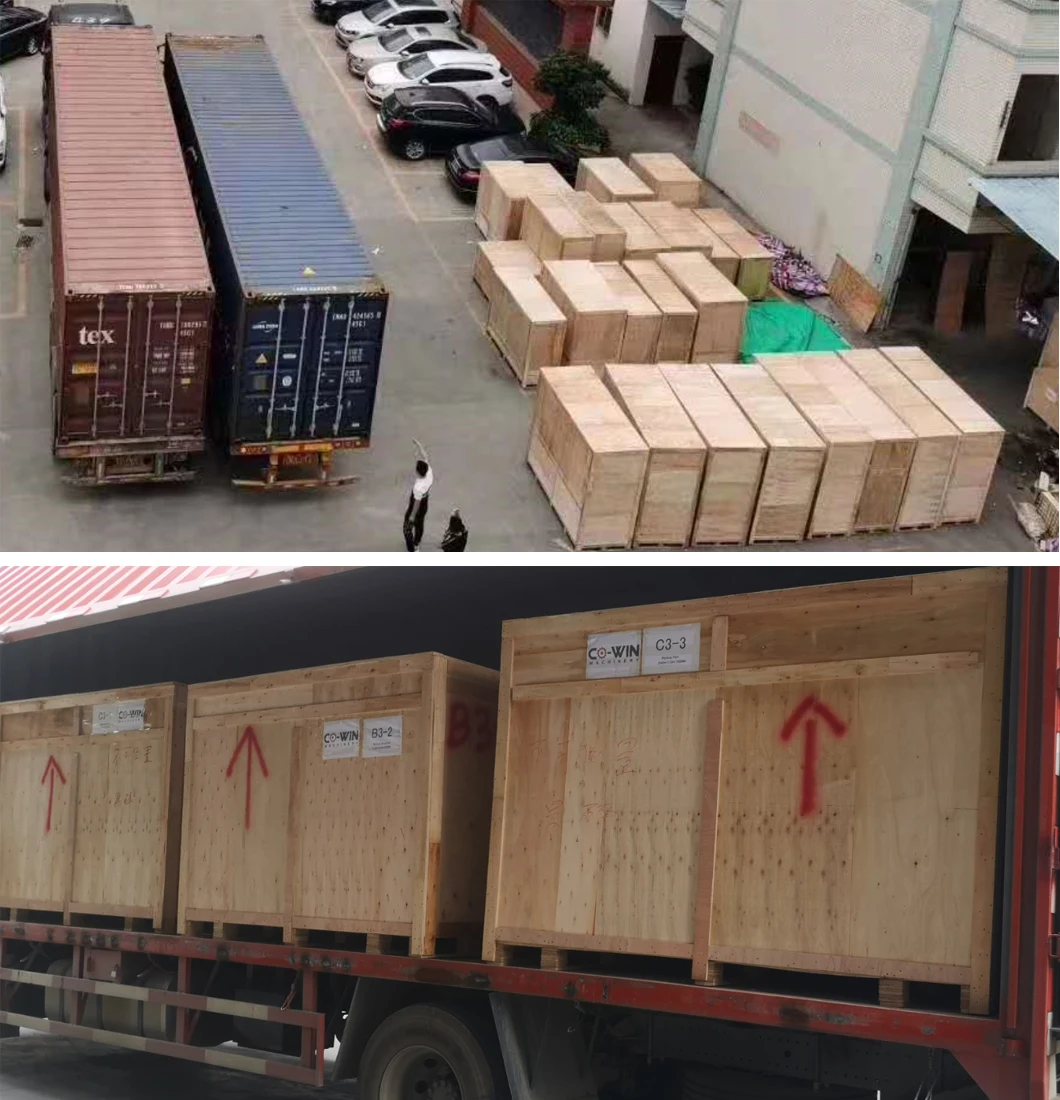
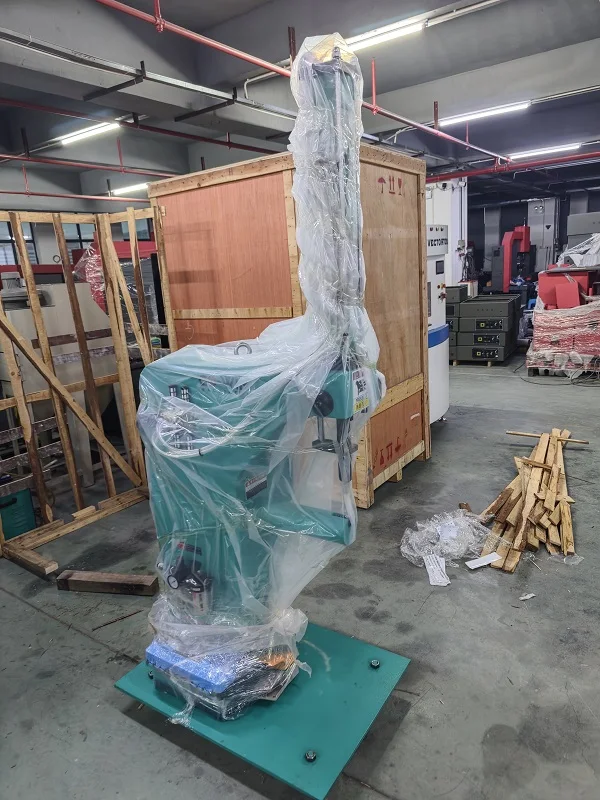
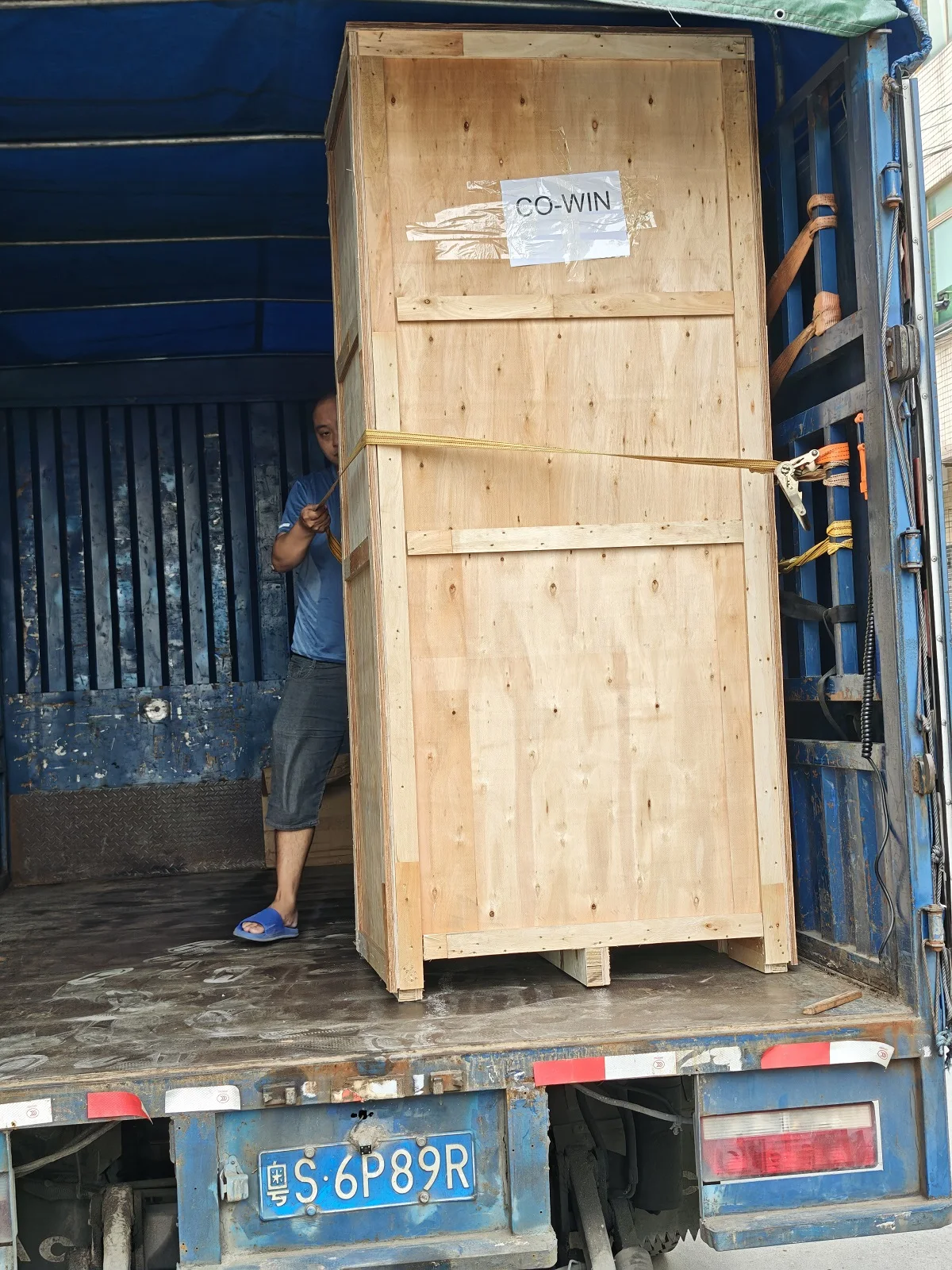
Packaging: Standard export wooden case packaging, with moisture-proof, shock-proof and anti-collision treatment inside, to avoid damage to the machine during transportation.
Transportation: Support sea transportation, land transportation and other modes of transportation, according to the customer's location and demand to choose the most suitable transportation scheme, and provide complete customs clearance documents.
Delivery Time: 3-30 days (depending on the order quantity and customization requirements), and we will timely feedback the transportation progress to the customer during the transportation process.
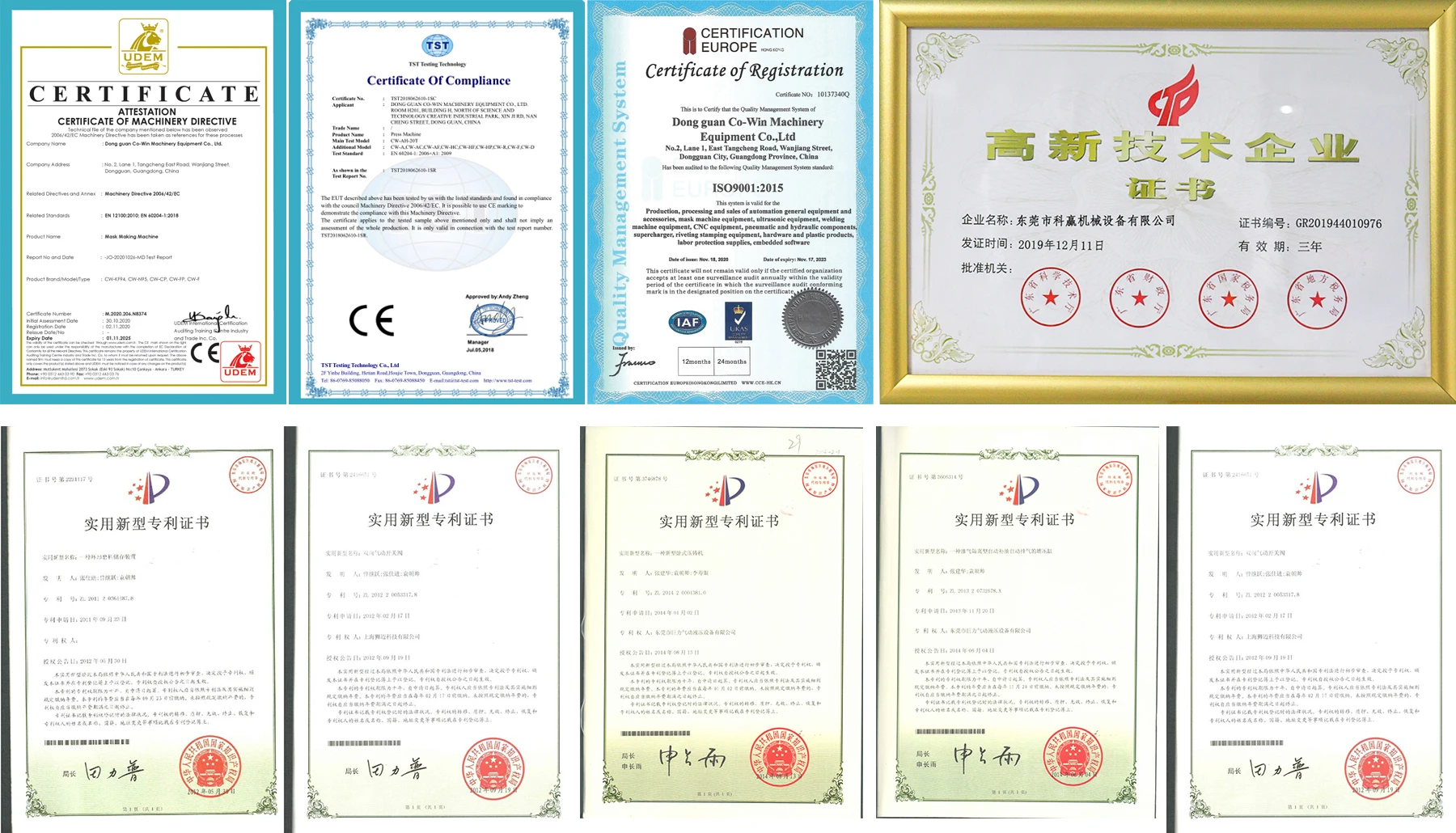
Qualification certificate

FAQ
What are the advantages of rivetless riveting over traditional riveting?
No Rivet: Reduces material and cost consumption and does not require additional fasteners.
No thermal influence: avoiding thermal damage to metal materials during welding, maintaining the original strength of the material.
Environmentally friendly: The rivetless riveting process produces no exhaust gases, sparks or harmful substances, making it more environmentally friendly.
Efficient: can realize rapid automated operation, improve production efficiency.
Adapt to different materials: able to connect metal sheets with different thickness, hardness or material types, such as the combination of steel and aluminum.
What materials can the rivetless riveting machine handle?
The rivetless riveting machine is suitable for a variety of metal materials, such as steel, aluminum, stainless steel, etc.. They are particularly good at joining different types or thicknesses of sheet metal, and therefore have a significant advantage in lightweight manufacturing.
What is the working principle of the rivetless riveting machine?
The rivetless riveting machine applies high pressure through the punch and the mold, causing plastic deformation of the metal material, forming a “button” shaped mechanical locking point between the materials. The punch presses the metal into the die and the material is squeezed and shaped to make a solid physical connection without the need for additional rivets or welding materials.
Does rivetless riveting work with different thicknesses of sheet metal?
Yes, the rivetless riveting machine can handle different thicknesses of metal sheets. By adjusting the mold and pressure settings, the equipment can effectively join metal materials of varying thicknesses, with common thicknesses ranging from 0.5mm to 3mm, depending on the specifications and settings of the equipment.
What is the joining strength of rivetless riveting?
Rivetless connections provide a high strength joint that can withstand high mechanical stresses. Connection strengths typically approach or exceed those of conventional riveting methods and offer better fatigue resistance. Experiments have shown that the strength and durability of rivetless joints are superior to those of welded and riveted joints in some applications.